Can Movement Heal Trauma?
Most trauma therapies focus on the mind. But what if the key to unlocking trauma was movement?
Neuroscience shows that the way we move, breathe, and sense the world directly shapes how safe or threatened our brain feels. Trauma healing isn’t just about changing thoughts – it’s about changing the way the nervous system processes reality.
The Nervous System’s Role in Trauma
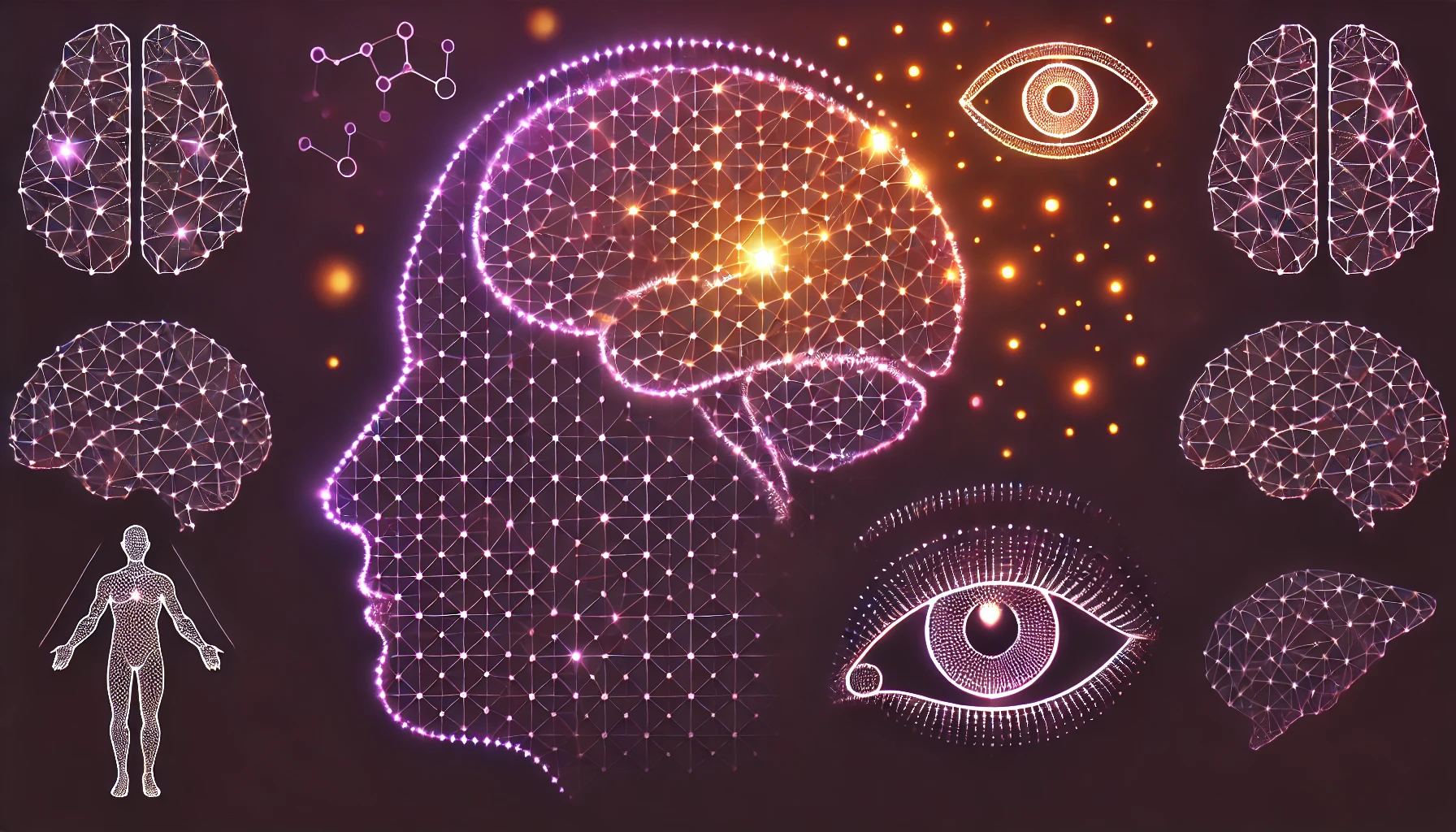
Your nervous system is made up of multiple sensory systems that all contribute to your brain’s sense of safety:
- The visual system (how your brain processes what you see)
- The vestibular system (your balance and spatial awareness)
- The proprioceptive system (how your brain knows where you are in 3D space)
- Interoception (your internal bodily signals, like breath and heart rate)
Trauma disrupts these systems, creating a nervous system that stays stuck in threat mode.
Using Movement to Rewire Trauma Responses
At NuroActiv, we use targeted neurological exercises to recalibrate these systems and create lasting change. Simple drills – such as controlled eye movements, breathing techniques, and vestibular resets – can rapidly shift the nervous system from survival to safety.
This means trauma healing doesn’t have to be passive. It doesn’t have to take years. You can actively train your nervous system for safety, resilience, and strength.
Movement isn’t just exercise. It’s a neurological tool for healing.
To find out more about our Space To Cope approach, click here.


