Your Brain Is Predicting Danger – Even When You’re Safe
Ever wonder why your body reacts to stress before you’ve even had a chance to think about it? Why a sound, smell, or situation can trigger a full-body reaction, even when you know logically that you’re safe?
This happens because your brain isn’t reacting to the present moment – it’s predicting what’s about to happen next based on past experiences.
The Brain’s Predictive Model of Trauma
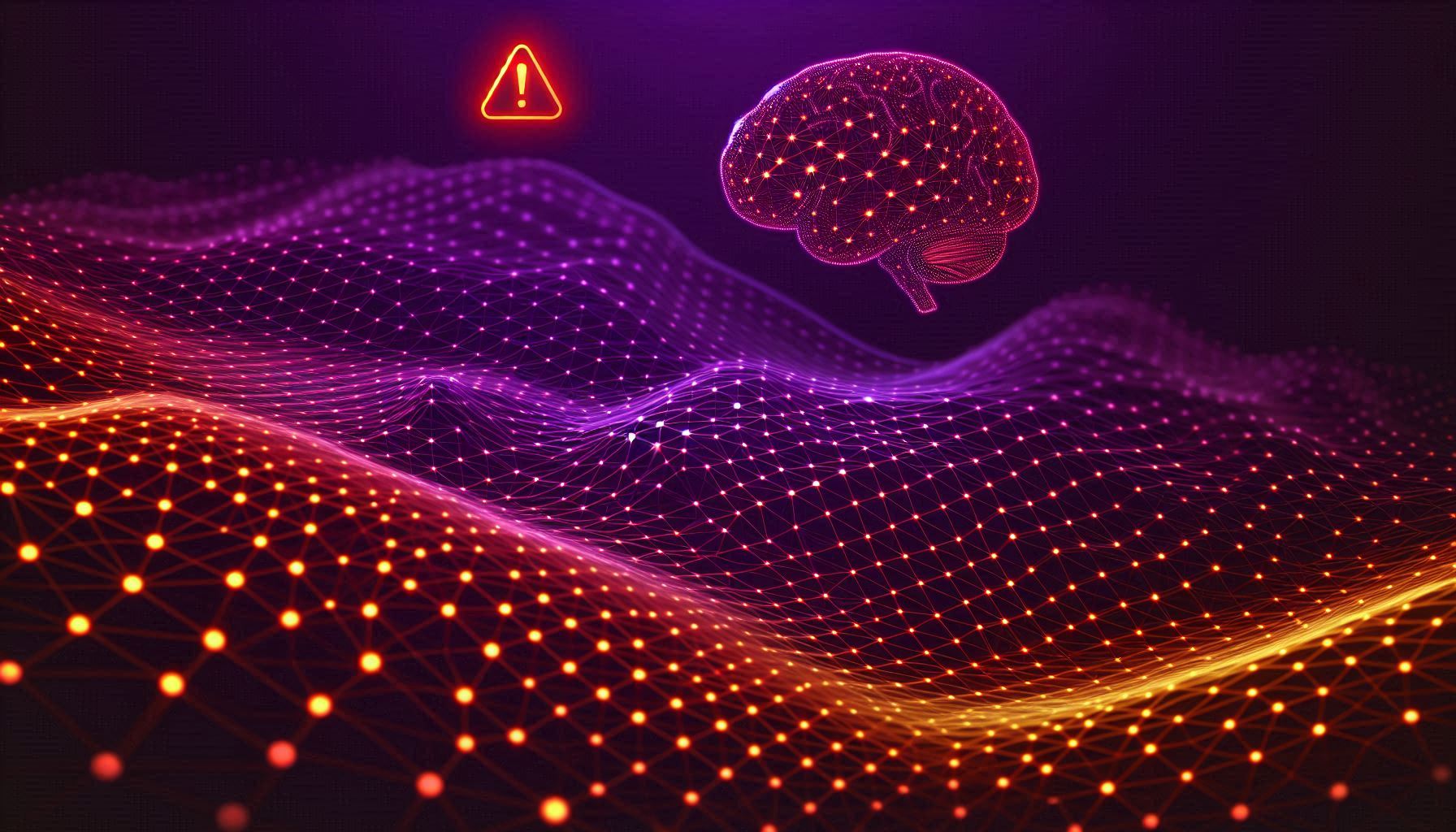
Your brain is a prediction machine. It constantly scans for danger, using past experiences to determine whether you need to fight, flee, freeze, or shut down. When you experience trauma, your brain encodes a survival-based prediction model, where it expects danger even in safe environments.
This is why trauma survivors experience triggers, anxiety, and body-based stress responses that seem out of their control. Their brain isn’t reacting to what is – it’s reacting to what it thinks will happen next.
How to Update an Outdated Threat Model
Fortunately, these predictions can be changed. Neuroplasticity – the brain’s ability to rewire itself – allows us to replace old, trauma-based patterns with more accurate, helpful ones.
At NuroActiv, we use movement-based neurology to communicate safety to the nervous system. By engaging the senses (vision, balance, breath), we teach the brain to update its threat responses in a way that talking alone cannot achieve.
You can’t just “think” your way to safety. But you can train your nervous system to feel safe again.
To find out more about our Space To Cope approach, click here.


